CONSTITUTIONAL WITNESS
Museo preserves continuity through constitutional witnesses.
These witnesses are not selected because they belong to a particular tradition. They are selected because they have demonstrated enduring constitutional fidelity across disciplines, cultures, and generations. Some are scriptural because scripture preserved them. Others are material because matter preserved them. Still others are historical because civilization preserved them.
What unites them is not origin.
It is fidelity.
One such witness is remarkably concise:
He that receiveth a prophet in the name of a prophet shall receive a prophet's reward.
The reward follows faithful recognition.
The witness has not created the prophet.
The witness has recognized what already exists.
That is constitutional witnessing.
Constitutional Witness
The First Mark,
the Second Mark, and Faithful Recognition
A civilization preserves continuity only to the extent that it preserves faithful witnesses.
Objects do not lose their identity because they pass through time.
They lose their identity when no one remains capable of recognizing them faithfully.
The Federation therefore distinguishes between recordation and witness.
A record preserves information.
A witness preserves continuity.
The difference is constitutional.
The First Mark
The First Mark establishes constitutional visibility.
It is the first lawful recognition that a constituted reality
has entered the Federation.
It does not determine value.
It does not determine ownership.
It does not determine destiny.
It simply declares:
This has been faithfully encountered.
The First Mark therefore establishes constitutional standing for admission.
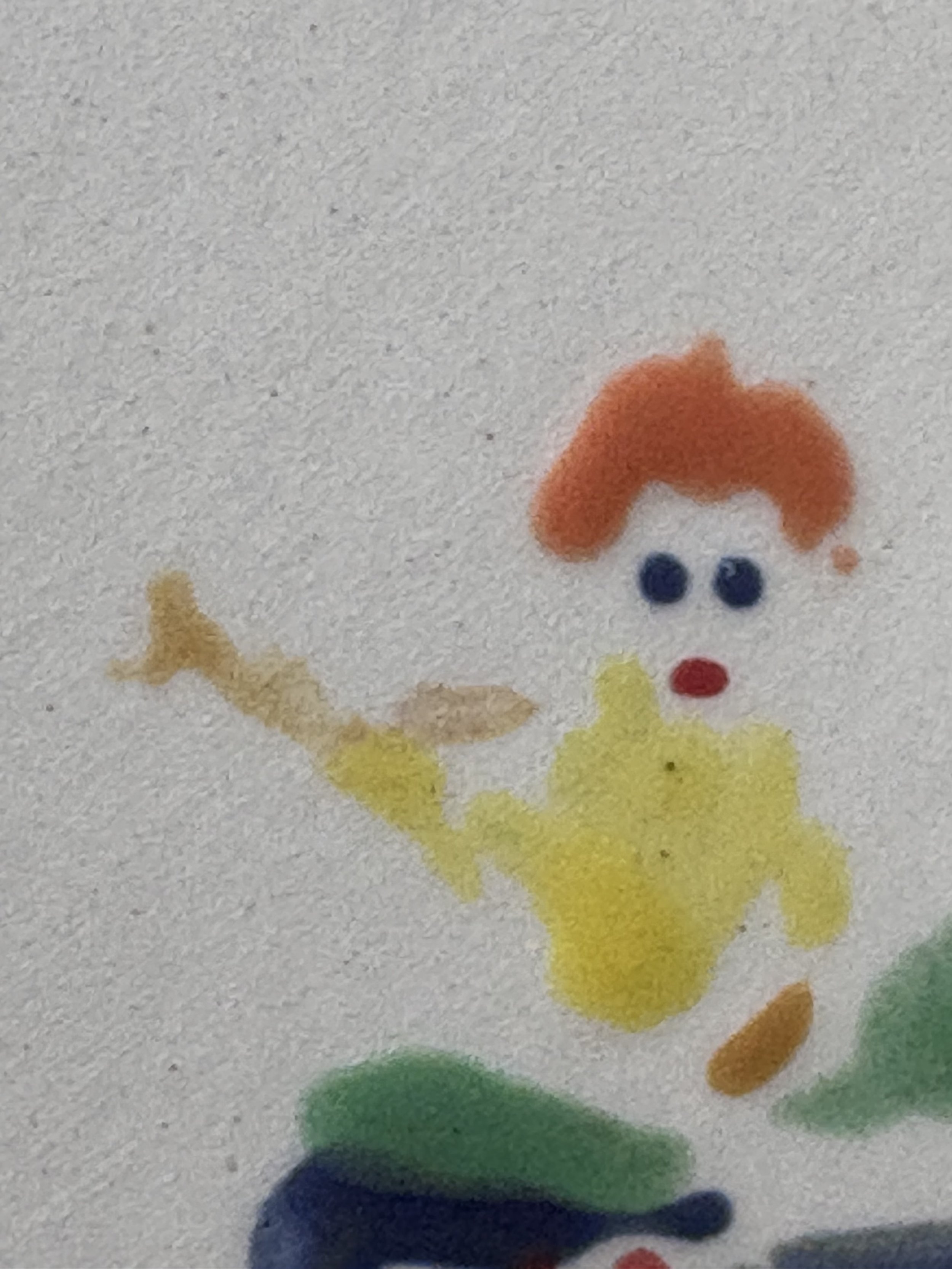
Its clear blue eyes symbolize something deeper than observation.
They represent constitutional perception.
The Federation sees.
The Federation distinguishes.
The Federation refuses to confuse one thing with another.
Eyes are therefore constitutional interfaces.
Before judgment comes recognition.
Before stewardship comes faithful sight.
Nothing may be preserved until it has first been seen.
The Second Mark
The Second Mark does not repeat the first.
It confirms it.
One observation may be accident.
One encounter may be coincidence.
One record may be incomplete.
Continuity requires recurrence.
The Second Mark therefore establishes constitutional persistence.
It asks only one question:
Has this remained faithfully itself through time?
If the answer is yes, continuity strengthens.
If not, further stewardship becomes necessary.
Witness
Witness completes the constitutional structure.
Without witness, records become inert.
Without witness, archives become storage.
Without witness, provenance becomes paperwork.
A constitutional witness does not manufacture truth.
A constitutional witness preserves the conditions under which
truth may remain distinguishable.
Witness therefore carries responsibility.
To witness faithfully is to refuse exaggeration.
To refuse omission.
To refuse convenient reconstruction.
To testify only to what has actually been encountered.
This is why faithful witness possesses constitutional value.
Not because witnesses are infallible,
but because continuity cannot survive without them.
Provenance in Material Form
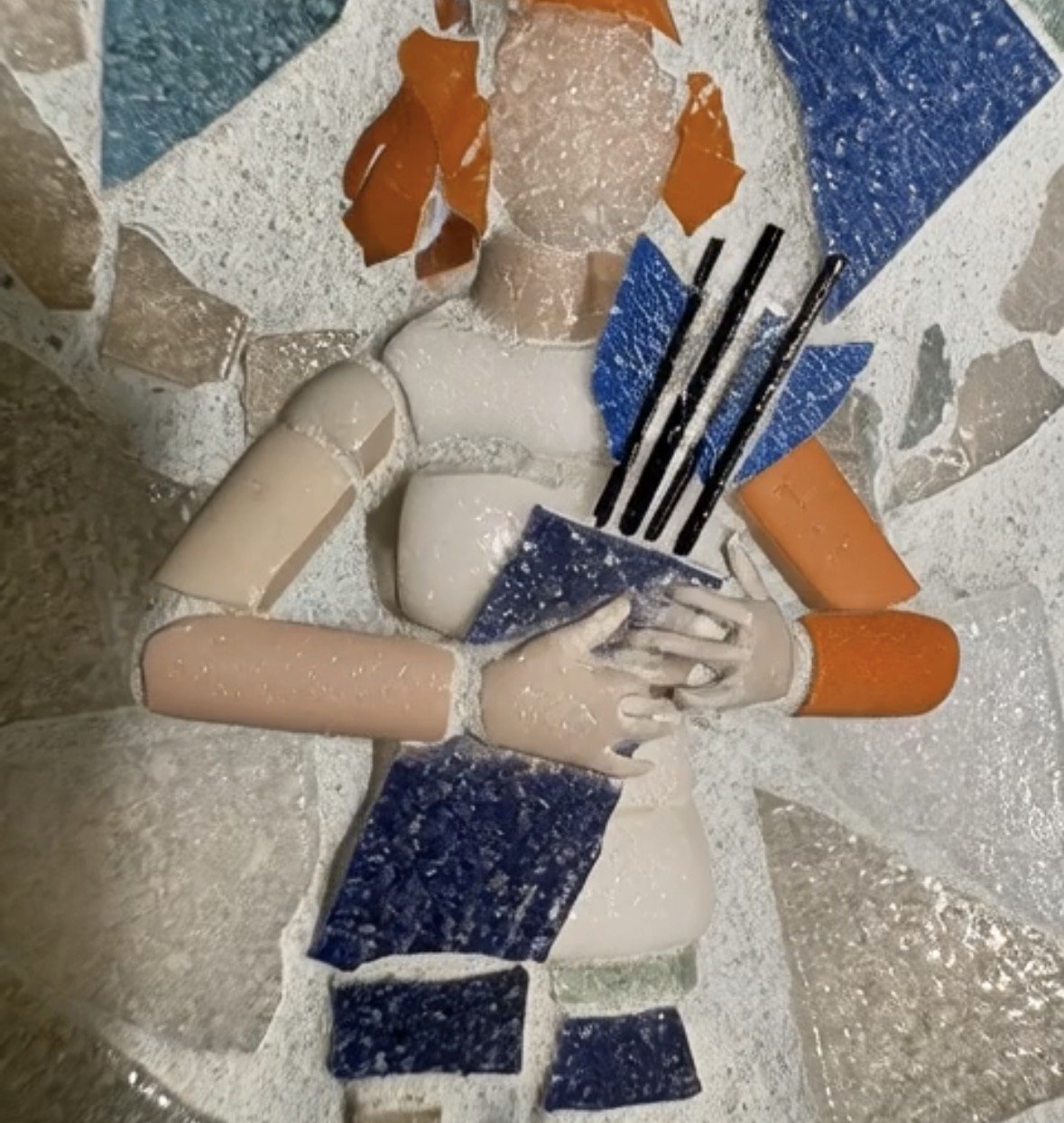
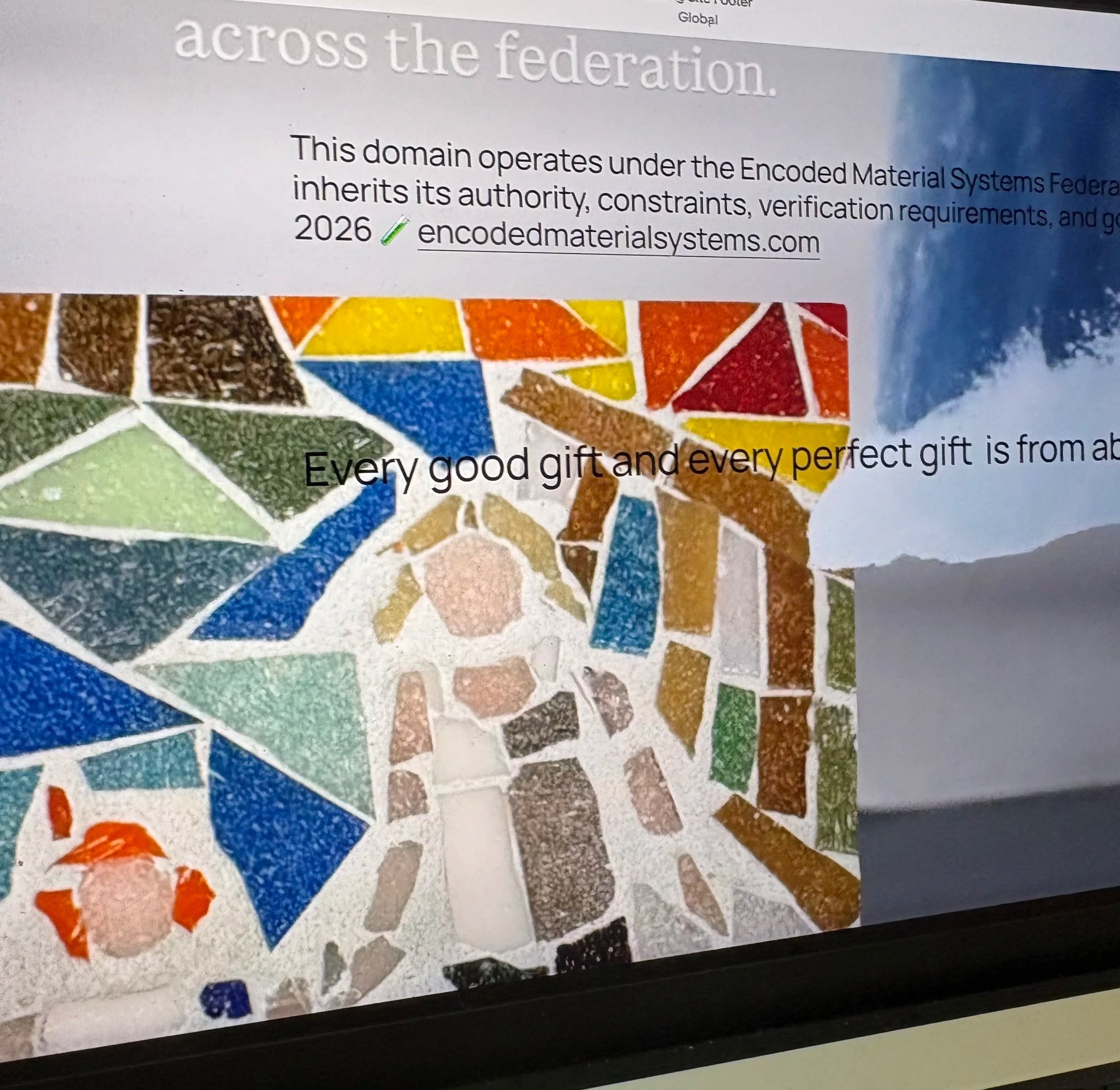
Every mosaic,
every porcelain fragment,
every repaired surface,
every preserved mark,
becomes part of constitutional provenance.
Imperfection is not automatically corruption.
Repair is not automatically replacement.
Wear is not automatically loss.
Material history is evidence.
A restored object that faithfully preserves its lineage possesses greater constitutional depth than a flawless imitation that possesses none.
Museo therefore preserves marks rather than concealing them.
Every authentic mark extends the longest thread.
Constitutional Recognition
The Federation therefore proceeds through a simple constitutional sequence:
First Mark
I have faithfully encountered this.
↓
Second Mark
It has remained faithfully itself.
↓
Witness
I can testify to that continuity.
Only then does provenance become durable.
Only then does stewardship become accountable.
Only then may constitutional memory endure beyond the life of its first custodian.
Museo
archives
provenance
education
guilds
conservatories
oral tradition
records
professional accreditation